Ever wondered how a simple concept like a b2b bistro is reshaping the corporate dining landscape? It’s not just about food—it’s about strategy, connection, and value-driven experiences that fuel business relationships.




What Exactly Is a B2B Bistro?

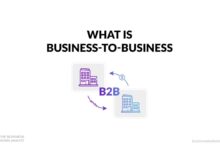
The term b2b bistro might sound like a trendy buzzword, but it represents a powerful shift in how businesses approach hospitality, networking, and client engagement. Unlike traditional restaurants that cater to individual consumers (B2C), a B2B bistro focuses on serving other businesses—think corporate clients, event planners, HR departments, and executive teams looking for premium dining solutions.
Defining the B2B Bistro Model
At its core, a b2b bistro operates on a business-to-business model where meals, catering services, or private dining experiences are sold directly to companies rather than individual customers. These establishments often provide tailored menus, branded events, and subscription-based meal plans for office teams.
- Services are customized for corporate needs like team lunches, client dinners, or wellness programs.
- Revenue streams include bulk orders, recurring contracts, and partnership deals.
- Operations are optimized for efficiency, scalability, and brand alignment with client companies.
“The future of corporate dining isn’t fast food—it’s personalized, professional, and purpose-driven. That’s where the b2b bistro thrives.” — Hospitality Innovation Report, 2023
How It Differs from Traditional Restaurants
While a typical restaurant measures success by foot traffic and table turnover, a b2b bistro prioritizes long-term contracts, client satisfaction scores, and operational consistency. The customer isn’t the diner—it’s the company paying the bill.
- Marketing focuses on decision-makers: HR managers, office administrators, and procurement officers.
- Pricing models are often negotiated per headcount or event, not per dish.
- Feedback loops involve formal evaluations, not just online reviews.
This structural difference means that success in the b2b bistro space requires more than culinary skill—it demands sales acumen, relationship management, and strategic planning.
The Rise of the B2B Bistro Economy
In the past decade, we’ve seen a quiet revolution in workplace culture and corporate spending. As companies invest more in employee well-being, client hospitality, and brand experience, the demand for high-quality, scalable dining solutions has skyrocketed. Enter the b2b bistro: a hybrid model that blends gourmet food with business logistics.
Market Trends Fueling Growth
According to a 2024 report by Statista, the global corporate catering market is projected to reach $148 billion by 2027, growing at a CAGR of 6.3%. This surge is driven by several key factors:
- Hybrid work models increasing the need for office meal programs.
- Employers using food as a tool for talent retention and morale.
- Companies seeking sustainable, healthy, and inclusive catering options.
The b2b bistro sits perfectly at the intersection of these trends, offering not just meals but holistic workplace wellness solutions.
Case Study: How One B2B Bistro Scaled to 50 Corporate Clients
Take the example of UrbanTable B2B, a boutique bistro based in Austin, Texas. Founded in 2020, they started as a small café but pivoted to focus exclusively on corporate clients after noticing consistent demand from nearby tech startups.
- They developed a modular menu system allowing companies to customize weekly lunch plans.
- Introduced a digital portal for order tracking, invoicing, and feedback.
- Partnered with local farms to highlight sustainability—a key selling point for eco-conscious firms.
Within two years, UrbanTable secured contracts with 50+ companies, including three Fortune 500 satellite offices. Their revenue grew by 320%, proving that niche specialization in the b2b bistro space can yield massive returns.
Core Services Offered by a B2B Bistro
A successful b2b bistro doesn’t just serve food—it delivers value through a range of tailored services designed to meet the unique needs of business clients. These offerings go far beyond the kitchen, encompassing logistics, branding, and customer experience.
Corporate Catering & Office Meal Programs
This is the bread and butter of most b2b bistro operations. Companies contract with bistros to provide daily or weekly meals for employees, often as part of a wellness or perks package.
- Options include hot lunch delivery, grab-and-go breakfast boxes, and dietary-specific menus (vegan, gluten-free, keto).
- Some bistros offer “meal stipend” integrations, where employees redeem credits via an app.
- Scalability is crucial—services must adapt to team sizes ranging from 10 to 1,000+.
For instance, Caterpillar, a leading corporate catering platform, reports that 78% of tech firms now offer weekly catered lunches, creating a steady revenue stream for b2b bistro partners.
Private Dining & Client Entertainment
Another major revenue channel is hosting private events for businesses entertaining clients, investors, or partners. A b2b bistro with an elegant ambiance and skilled service team can become a go-to venue for high-stakes dinners.
- Custom menus with wine pairings and themed experiences.
- Confidentiality and discretion for sensitive meetings.
- Full-service coordination: invitations, seating, AV setup, and follow-up.
“We don’t just book a table—we create an experience that reflects our brand’s values. That’s why we partner with a premium b2b bistro.” — Sarah Lin, Director of Client Relations at Nexora Tech
Wellness & Nutrition Partnerships
Modern companies are increasingly focused on employee health. A forward-thinking b2b bistro can position itself as a wellness partner by offering nutritionist-designed menus, vitamin-packed meals, and educational workshops.
- Collaborate with dietitians to create balanced meal plans.
- Offer biometric tracking integrations (e.g., meals synced with fitness apps).
- Host “Lunch & Learn” sessions on topics like mindful eating or stress management.
This added layer of value transforms the b2b bistro from a vendor into a strategic ally in corporate wellness initiatives.
Why Companies Are Choosing B2B Bistros Over Traditional Caterers
With so many catering options available, why are more businesses turning to specialized b2b bistro providers? The answer lies in quality, consistency, and partnership depth.
Superior Food Quality and Menu Innovation
Unlike generic catering services that rely on frozen or mass-produced dishes, a b2b bistro typically emphasizes fresh, chef-driven cuisine. This commitment to culinary excellence enhances the employer brand and impresses clients.
- Seasonal menus that reflect local ingredients and global flavors.
- Regular menu rotations to prevent employee fatigue.
- Ability to accommodate complex dietary needs without compromising taste.
A 2023 survey by Deloitte found that 67% of employees view high-quality office meals as a sign of company care, directly impacting job satisfaction and retention.
Consistent Service and Reliability
For HR and office managers, reliability is non-negotiable. A late or poorly executed meal service can disrupt meetings and damage morale. B2b bistro operators understand this pressure and build systems to ensure flawless delivery.
- Dedicated account managers for each client.
- Real-time order tracking and automated alerts.
- Contingency plans for last-minute changes or emergencies.
This level of professionalism sets them apart from ad-hoc caterers who may lack infrastructure.
Brand Alignment and Customization
Today’s companies want their vendors to reflect their culture. A b2b bistro can co-brand menus, incorporate company values (e.g., sustainability, diversity), and even design themed events around corporate milestones.
- Custom packaging with company logos or motivational messages.
- Menus named after internal projects or team members.
- Collaborative menu development sessions with client feedback.
This deep integration fosters loyalty and turns the b2b bistro into an extension of the client’s brand.
How to Launch a Successful B2B Bistro
Starting a b2b bistro isn’t just about opening a restaurant and waiting for corporate clients to walk in. It requires a deliberate strategy, targeted marketing, and operational excellence from day one.
Market Research and Niche Selection
Before investing in a space or kitchen, conduct thorough research to identify underserved markets. Are there tech hubs, co-working spaces, or medical centers nearby with high concentrations of professionals?
- Analyze local business directories and commercial real estate trends.
- Survey office managers about current pain points with catering.
- Identify a niche: eco-friendly meals, international cuisine, or executive dining.
For example, a b2b bistro near a biotech park might focus on brain-boosting, nutrient-dense meals to appeal to scientists and researchers.
Building a Scalable Business Model
Unlike a traditional restaurant, a b2b bistro must be built for scalability. This means designing systems that can handle growth without sacrificing quality.
- Invest in cloud-based ordering and inventory management software.
- Develop standardized recipes and prep procedures.
- Create tiered pricing packages (basic, premium, enterprise).
Platforms like Toast and Shopify POS offer tools specifically designed for B2B food service, enabling seamless order processing and client management.
Client Acquisition and Relationship Management
Acquiring your first few corporate clients is the hardest part. But once you land them, retention becomes easier through exceptional service and ongoing engagement.
- Attend industry networking events and chamber of commerce meetings.
- Offer free tasting events for office decision-makers.
- Use LinkedIn outreach to connect with HR and facilities managers.
Once onboarded, assign each client a dedicated relationship manager who checks in monthly, gathers feedback, and suggests menu upgrades.
The Role of Technology in Modern B2B Bistros
Technology isn’t just a convenience for a b2b bistro—it’s a necessity. From order management to data analytics, digital tools empower these businesses to operate efficiently and deliver personalized experiences at scale.
Digital Ordering and Client Portals
Top-performing b2b bistro operators use custom client portals where companies can view menus, place orders, manage budgets, and track delivery status in real time.
- Self-service platforms reduce administrative burden on both sides.
- Automated invoicing and payment processing improve cash flow.
- Integration with Slack or Microsoft Teams allows for quick communication.
For example, PlateIQ, a restaurant tech company, reports that bistros using digital ordering systems see a 40% reduction in order errors and a 25% increase in repeat bookings.
Data Analytics for Menu Optimization
By analyzing order history, dietary preferences, and feedback, a b2b bistro can refine its offerings to maximize satisfaction and minimize waste.
- Identify best-selling dishes and seasonal trends.
- Spot underperforming items and rotate them out.
- Forecast ingredient needs to reduce spoilage and costs.
Advanced tools like Oracle MICROS provide real-time dashboards that help chefs and managers make data-driven decisions.
CRM Integration for Client Retention
Customer Relationship Management (CRM) systems allow b2b bistro owners to track interactions, set reminders for follow-ups, and personalize communications.
- Log every meeting, call, and email with a client contact.
- Schedule automated check-ins after major events.
- Tag clients by industry, size, or dietary focus for targeted marketing.
This level of organization ensures no client feels neglected and strengthens long-term partnerships.
Challenges and Solutions in the B2B Bistro Industry
While the b2b bistro model offers immense potential, it’s not without hurdles. From thin margins to client churn, operators must navigate a complex landscape to stay profitable.
High Operational Costs and Margin Pressure
Running a b2b bistro involves significant upfront and ongoing costs: commercial kitchen space, staffing, ingredients, delivery vehicles, and tech infrastructure. Meanwhile, corporate clients often negotiate hard on pricing.
- Solution: Optimize supply chains by partnering with local farms or food cooperatives.
- Solution: Use batch cooking and smart inventory systems to reduce waste.
- Solution: Introduce premium add-ons (wine pairings, dessert platters) to increase average order value.
According to the National Restaurant Association, food waste costs the industry $25 billion annually—smart b2b bistro operators can gain a competitive edge by minimizing this loss.
Client Churn and Contract Renewals
Corporate priorities shift, budgets get cut, and decision-makers change jobs. This volatility means that even loyal clients may cancel contracts unexpectedly.
- Solution: Build strong relationships beyond the contract—host appreciation events or send holiday gifts.
- Solution: Offer flexible terms, such as month-to-month agreements with discounts for annual commitments.
- Solution: Regularly showcase value through impact reports (e.g., “Your team enjoyed 1,200 meals this quarter!”).
Retention is cheaper than acquisition, so investing in client happiness pays dividends.
Competition from Tech-Driven Catering Platforms
Digital giants like Uber Eats for Business and Caterly are disrupting the space by offering one-click ordering from multiple vendors. This puts pressure on independent b2b bistro operators to differentiate themselves.
- Solution: Emphasize craftsmanship, personal service, and exclusivity.
- Solution: Offer experiences you can’t get on an app—like chef-led tastings or farm-to-table tours.
- Solution: Build a strong brand story that resonates emotionally with clients.
In a world of algorithms, human connection remains a powerful differentiator.
Future Trends Shaping the B2B Bistro Landscape
The b2b bistro model is still evolving. As workplace dynamics, technology, and consumer expectations change, so too will the strategies that define success in this niche.
AI-Powered Personalization
Artificial intelligence is beginning to play a role in predicting employee preferences, optimizing delivery routes, and even suggesting menu items based on past behavior.
- AI can analyze dietary patterns and recommend healthier alternatives.
- Chatbots can handle routine inquiries, freeing up staff for higher-value tasks.
- Predictive analytics can forecast demand spikes during busy corporate seasons.
Companies like IBM Watson are already exploring AI applications in food service, paving the way for smarter b2b bistro operations.
Sustainability as a Core Value
More businesses are demanding eco-friendly practices from their vendors. A b2b bistro that prioritizes sustainability—from compostable packaging to carbon-neutral delivery—can gain a significant competitive advantage.
- Source ingredients from regenerative farms.
- Offset delivery emissions through green initiatives.
- Publicize sustainability metrics in client reports.
A 2024 Nielsen study found that 73% of corporate procurement officers consider environmental impact when choosing food service partners.
Expansion into Virtual and Hybrid Experiences
With remote work here to stay, some b2b bistro operators are innovating by offering “virtual dinner kits” or live-cooking sessions for distributed teams.
- Ship ingredient boxes with recipe cards and Zoom links to a chef.
- Host online wine tastings or mixology classes for client entertainment.
- Create digital gift cards for remote employees to redeem locally.
This hybrid approach allows the b2b bistro to serve clients regardless of location, expanding its market reach.
What is a b2b bistro?
A b2b bistro is a business-to-business dining service that provides meals, catering, and private events exclusively for companies, not individual consumers. It focuses on corporate clients, offering scalable, high-quality food solutions tailored to workplace needs.
How does a b2b bistro make money?
A b2b bistro generates revenue through corporate contracts for office meals, private dining events, wellness programs, and subscription services. Income streams include bulk orders, recurring deliveries, and premium add-ons like wine pairings or branded experiences.
What are the key benefits for companies using a b2b bistro?
Companies benefit from improved employee satisfaction, enhanced client entertainment options, consistent food quality, and alignment with wellness or sustainability goals. A b2b bistro also reduces administrative burden through streamlined ordering and delivery systems.
Can a traditional restaurant transition to a b2b bistro model?
Yes, many restaurants successfully pivot to a b2b bistro model by restructuring their operations, building client relationships, and investing in technology for order management and delivery logistics. The key is shifting focus from walk-in customers to corporate contracts and long-term partnerships.
What technology do b2b bistros use?
B2B bistros use digital ordering platforms, CRM systems, inventory management software, and data analytics tools. Popular solutions include Toast, Shopify POS, Oracle MICROS, and custom client portals that enable seamless communication and transaction processing.
The b2b bistro is more than a dining trend—it’s a strategic evolution in how businesses nourish their teams and impress their clients. By combining culinary excellence with operational precision and relationship-driven service, these specialized establishments are redefining corporate hospitality. Whether you’re an entrepreneur looking to launch a new venture or a company seeking better catering solutions, understanding the power of the b2b bistro model is essential for thriving in today’s competitive landscape. The future of business dining isn’t just about what’s on the plate—it’s about the value, connection, and experience behind every meal.
Further Reading: