Welcome to the ultimate guide on b2b business—where we break down the strategies, trends, and real-world tactics that power today’s most successful B2B companies. Whether you’re launching a startup or scaling an enterprise, this deep dive will transform how you think about B2B.

What Exactly Is a B2B Business?

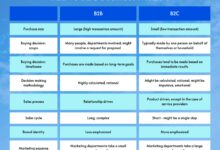
The term b2b business refers to transactions between businesses, where one company sells products or services to another. Unlike B2C (business-to-consumer), B2B focuses on solving business problems, improving efficiency, or enabling growth for other organizations.
Defining B2B vs. B2C
While B2C targets individual consumers with emotional or convenience-driven purchases, a b2b business typically involves longer sales cycles, higher order values, and multiple decision-makers. For example, a software company selling CRM tools to enterprises is B2B, whereas selling the same app via an app store to individuals is B2C.
- B2B decisions are logic-driven and ROI-focused.
- B2C decisions are often impulse-based or emotionally influenced.
- B2B relationships are long-term and contract-based.
Common Examples of B2B Business Models
From SaaS platforms to wholesale distributors, the b2b business landscape is diverse. Some prominent models include:
- Manufacturers selling to wholesalers: A steel producer supplying materials to construction equipment makers.
- SaaS providers serving enterprises: Companies like Salesforce or HubSpot offering cloud-based tools.
- Marketing agencies partnering with brands: Firms that manage digital campaigns for other businesses.
“B2B is not just about selling to businesses—it’s about enabling them to succeed.” — Marc Benioff, CEO of Salesforce
Why B2B Business Is More Resilient Than Ever
In recent years, the b2b business sector has proven its resilience, even during economic downturns. With digital transformation accelerating, companies are investing more in tools and services that improve operations, security, and scalability.
Stability Through Long-Term Contracts
One reason b2b business thrives is the prevalence of recurring revenue models. Subscription-based services, such as enterprise software or cloud infrastructure, create predictable income streams. According to a report by McKinsey, over 70% of B2B buyers now prefer subscription models due to cost predictability and scalability.
Higher Customer Lifetime Value (CLV)
B2B clients often stay with a provider for years, especially when integrated into core operations. For instance, a company using Microsoft 365 for collaboration is unlikely to switch without significant disruption. This stickiness leads to higher CLV, making customer acquisition costs (CAC) more justifiable.
- Average B2B customer lifespan: 3–5 years.
- CLV in SaaS B2B can exceed $10,000 per client.
- Referral rates among B2B clients are 3x higher than B2C.
Key Characteristics of a Successful B2B Business
Not all b2b business ventures succeed. The winners share common traits: deep industry knowledge, customer-centric solutions, and data-driven decision-making.
Complex Sales Cycles and Decision-Making Units
Unlike B2C, where one person can make a purchase instantly, a b2b business sale often involves a committee. This group—known as the Decision-Making Unit (DMU)—includes stakeholders from finance, IT, operations, and executive leadership.
- Technical evaluators assess product fit.
- Economic buyers control the budget.
- End-users provide feedback on usability.
Understanding this structure is critical. A study by Gartner found that 68% of B2B buying decisions involve five or more stakeholders.
Value-Driven, Not Price-Driven
While price matters, B2B buyers prioritize value. They ask: “Will this solution save time, reduce risk, or increase revenue?” For example, a cybersecurity firm selling threat detection software isn’t competing on price alone—it’s selling peace of mind and regulatory compliance.
“In B2B, you don’t sell a product—you sell an outcome.” — Philip Kotler, Marketing Guru
Relationship-Centric Approach
Trust is the currency of b2b business. Long-term partnerships are built on consistent delivery, transparency, and proactive communication. Companies like IBM and Cisco have maintained client relationships for decades by acting as strategic advisors, not just vendors.
- Regular check-ins and quarterly business reviews (QBRs) strengthen bonds.
- Personalized onboarding increases retention by 40%.
- Customer success teams reduce churn by addressing issues early.
Top B2B Business Models in 2024
The b2b business ecosystem has evolved beyond traditional manufacturing and distribution. Today, digital platforms and service-based models dominate.
Software-as-a-Service (SaaS)
SaaS is the crown jewel of modern b2b business. Companies like Zoom, Slack, and Adobe offer cloud-based tools accessible via subscription. The model’s scalability and low overhead make it ideal for rapid growth.
- Global SaaS market projected to reach $1.2 trillion by 2030 (Statista).
- High margins: 70–80% gross profit in mature SaaS firms.
- Automatic updates reduce support costs.
Platform Marketplaces
Platforms like Alibaba and Fiverr connect businesses with suppliers, freelancers, or service providers. These marketplaces thrive on network effects—the more users join, the more valuable the platform becomes.
- Alibaba’s B2B marketplace generated $1.3 trillion in GMV in 2023.
- Commission-based revenue ensures scalability.
- Data analytics help match buyers with ideal sellers.
Consulting and Professional Services
Firms like Deloitte, PwC, and McKinsey offer expertise in strategy, finance, and technology. Their b2b business model relies on human capital and intellectual property.
- Billing rates range from $150 to $1,000+ per hour.
- Projects often lead to long-term retainer agreements.
- Thought leadership (whitepapers, webinars) drives lead generation.
How to Build a Scalable B2B Business from Scratch
Starting a b2b business requires more than a good idea—it demands a structured approach to market validation, product development, and go-to-market strategy.
Step 1: Identify a Real Business Pain Point
The best b2b business ideas solve urgent problems. Conduct interviews with potential clients in your target industry. Ask: “What keeps you up at night?” For example, a startup noticed that small manufacturers struggled with inventory forecasting, leading to overstocking or stockouts. They built an AI-powered tool to predict demand—solving a real pain point.
- Use surveys and discovery calls to validate needs.
- Focus on industries with high operational complexity.
- Look for inefficiencies in manual processes.
Step 2: Develop a Minimum Viable Product (MVP)
Don’t build a full-featured product upfront. Create an MVP with core functionality and test it with early adopters. Feedback from real users will guide your roadmap. For instance, Dropbox started as a simple file-syncing tool before expanding into a full collaboration suite.
- Launch within 3–6 months of ideation.
- Use no-code tools (e.g., Bubble, Webflow) to accelerate development.
- Offer free trials to gather usage data.
Step 3: Craft a Winning Go-to-Market Strategy
Even the best product fails without a clear path to customers. Your go-to-market (GTM) strategy should include:
- Target audience segmentation: Focus on specific industries or company sizes.
- Channel selection: LinkedIn outreach, email campaigns, or partner alliances.
- Pricing model: Subscription, tiered, or usage-based.
“If you’re not embarrassed by the first version of your product, you’ve launched too late.” — Reid Hoffman, Co-founder of LinkedIn
Marketing Strategies That Drive B2B Business Growth
Marketing a b2b business isn’t about flashy ads—it’s about building credibility, generating qualified leads, and nurturing relationships over time.
Content Marketing: The Foundation of B2B Trust
High-quality content positions your brand as an authority. Publish in-depth guides, case studies, and research reports that address industry challenges. For example, HubSpot’s blog generates millions of visits monthly by offering free marketing templates and SEO tips.
- Long-form content (2,000+ words) ranks better on Google.
- Case studies convert 30% better than product pages.
- Webinars generate 5x more leads than blog posts alone.
Account-Based Marketing (ABM)
ABM flips traditional marketing by targeting specific high-value accounts with personalized campaigns. Instead of casting a wide net, you focus on a few strategic clients.
- Identify target accounts using firmographic data (industry, revenue, location).
- Create custom content (e.g., personalized videos, ROI calculators).
- Engage multiple stakeholders within the same company.
According to ABM Institute, companies using ABM see 200% higher win rates and 30% faster sales cycles.
LinkedIn and Social Selling
LinkedIn is the #1 platform for b2b business networking. Sales professionals who use social selling close 78% more deals (Salesforce). Optimize your profile, share insights, and engage with prospects’ content to build trust.
- Post 2–3 times per week with industry commentary.
- Use LinkedIn Sales Navigator to find decision-makers.
- Join niche groups to participate in relevant discussions.
Technology and Tools Powering Modern B2B Business
From AI to CRM systems, technology is reshaping how b2b business operates. Companies that leverage the right tools gain a competitive edge in efficiency and customer experience.
Customer Relationship Management (CRM) Systems
A CRM like Salesforce or HubSpot CRM centralizes client data, tracks interactions, and automates follow-ups. It’s the backbone of any scalable b2b business.
- Automate lead scoring and email sequences.
- Track deal stages and forecast revenue.
- Integrate with marketing and support tools.
Marketing Automation Platforms
Tools like Marketo, Pardot, and ActiveCampaign enable personalized, multi-channel campaigns at scale. For example, you can trigger a series of emails based on a prospect’s behavior—like downloading a whitepaper or attending a webinar.
- Nurture leads with drip campaigns.
- Segment audiences based on engagement.
- Measure ROI with detailed analytics.
AI and Data Analytics
AI is revolutionizing b2b business by predicting customer churn, optimizing pricing, and personalizing content. For instance, Gong uses AI to analyze sales calls and provide coaching insights.
- Predictive analytics identify high-intent leads.
- NLP (Natural Language Processing) powers chatbots and support.
- Data dashboards help executives make informed decisions.
Challenges in the B2B Business Landscape
Despite its advantages, running a b2b business comes with unique hurdles. Understanding these challenges prepares you to navigate them effectively.
Long Sales Cycles and High CAC
B2B sales can take 3–12 months to close, requiring sustained effort and resources. Customer acquisition costs (CAC) are often high due to the need for demos, proposals, and negotiations.
- Solution: Focus on customer retention to improve ROI.
- Use freemium models to reduce friction.
- Leverage referrals and case studies to shorten trust-building.
Complex Integration Requirements
B2B products often need to integrate with existing systems (ERP, CRM, HRIS). Clients may delay adoption if integration is difficult or costly.
- Offer API-first architecture for easy connectivity.
- Provide dedicated onboarding specialists.
- Partner with integration platforms like Zapier or MuleSoft.
Intense Competition and Market Saturation
Many b2b business niches are crowded. Standing out requires differentiation through superior service, innovation, or niche focus.
- Specialize in a vertical (e.g., healthcare SaaS).
- Build a strong brand with thought leadership.
- Focus on customer experience as a differentiator.
Future Trends Shaping the B2B Business World
The b2b business model is evolving rapidly. Staying ahead means embracing emerging trends before competitors do.
Rise of Self-Service B2B Platforms
Just like consumers, B2B buyers want autonomy. Companies like Shopify and Notion allow businesses to sign up, explore features, and upgrade without speaking to a sales rep. This trend reduces friction and scales faster.
- 80% of B2B buyers prefer self-serve options for low-cost products.
- Interactive product tours increase conversion by 50%.
- AI chatbots handle 60% of initial inquiries.
Sustainability and Ethical Sourcing
B2B clients increasingly demand sustainable practices. From carbon-neutral shipping to ethical supply chains, ESG (Environmental, Social, Governance) factors influence purchasing decisions.
- 73% of procurement officers consider sustainability when choosing vendors.
- Green certifications (e.g., B Corp) boost credibility.
- Transparency reports build trust.
Hybrid Buying Journeys
The line between online and offline is blurring. Buyers research online, attend virtual demos, and may still require in-person meetings for final decisions. A seamless omnichannel experience is essential.
- Use video conferencing for demos and negotiations.
- Offer downloadable ROI calculators and spec sheets.
- Enable e-signatures and digital contracts.
What is the difference between B2B and B2C?
B2B (business-to-business) involves companies selling to other businesses, focusing on logic, ROI, and long-term contracts. B2C (business-to-consumer) targets individual buyers with emotional appeals and shorter sales cycles.
How long does a typical B2B sales cycle last?
A typical B2B sales cycle lasts between 3 to 12 months, depending on the product complexity, price, and number of decision-makers involved.
What is the most effective marketing strategy for B2B?
Account-Based Marketing (ABM) and content marketing are among the most effective strategies. ABM targets high-value accounts with personalized campaigns, while content marketing builds trust through valuable, educational content.
Can a small company succeed in B2B business?
Absolutely. Small companies can thrive in B2B by focusing on niche markets, offering exceptional service, and leveraging digital tools to compete with larger players.
Is SaaS a good B2B business model?
Yes, SaaS is one of the most scalable and profitable B2B business models, offering recurring revenue, high margins, and global reach with relatively low overhead.
Building a successful b2b business isn’t about luck—it’s about strategy, execution, and relentless focus on customer value. From understanding complex sales cycles to leveraging cutting-edge technology, the path to growth is clear. Whether you’re launching a SaaS platform or a consulting firm, the principles remain the same: solve real problems, build trust, and scale intelligently. The future of b2b business belongs to those who adapt, innovate, and put customers first.
Further Reading: