In today’s fast-paced digital economy, b2b companies are redefining how businesses connect, collaborate, and grow. From tech startups to industrial giants, these organizations thrive on strategic partnerships, long-term value, and data-driven decisions.




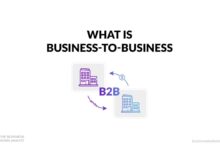

What Are B2B Companies and How Do They Work?

B2B companies—short for business-to-business—are organizations that sell products or services to other businesses rather than individual consumers. Unlike B2C (business-to-consumer) models, which focus on emotional appeal and quick sales, B2B transactions are typically more complex, involve longer sales cycles, and require multiple stakeholders.
The core principle behind b2b companies is value creation through efficiency, scalability, and reliability. For example, a software company might sell CRM tools to other enterprises, or a logistics firm may provide supply chain solutions to manufacturers. These relationships are built on trust, performance, and long-term contracts.
The Evolution of B2B Business Models
B2B commerce has undergone a dramatic transformation over the past few decades. In the 20th century, most b2b companies relied on face-to-face meetings, trade shows, and phone-based sales. Today, digital platforms, e-commerce marketplaces, and AI-powered analytics dominate the landscape.
According to McKinsey & Company, 74% of B2B buyers now prefer digital self-service channels, and this shift accelerated during the global pandemic. Cloud-based procurement systems, automated invoicing, and virtual demos have become standard tools for modern b2b companies.
“The future of B2B isn’t just digital—it’s hyper-personalized, data-driven, and customer-centric.” — McKinsey Report, 2023
Key Characteristics of B2B Companies
Several defining traits set b2b companies apart from their B2C counterparts:
- Longer Sales Cycles: Decisions often involve multiple departments, budget approvals, and legal reviews.
- Higher Transaction Values: Contracts can run into millions, especially in sectors like manufacturing or enterprise software.
- Relationship-Driven: Success depends on building trust, delivering consistent value, and maintaining long-term partnerships.
- Complex Decision-Making: Buying committees, procurement teams, and technical evaluators all play a role in finalizing deals.
Understanding these characteristics is essential for anyone looking to enter or scale within the B2B space.
Top 7 Industries Dominated by B2B Companies
B2B operations span nearly every sector of the global economy. However, some industries are particularly reliant on business-to-business models due to their scale, complexity, and specialized needs.
1. Information Technology and Software Services
This is arguably the fastest-growing segment for b2b companies. From SaaS (Software as a Service) platforms like Salesforce and HubSpot to cybersecurity firms like Palo Alto Networks, IT providers serve other businesses with tools that enhance productivity, security, and data management.
According to Gartner, global public cloud end-user spending is projected to reach $678.8 billion in 2024, with the majority driven by enterprise demand. This underscores the massive role b2b companies play in enabling digital transformation.
2. Manufacturing and Industrial Supply
Manufacturers are classic examples of b2b companies. They produce raw materials, components, or finished goods that are used by other businesses in their production processes. For instance, a steel producer supplies material to automakers, while a semiconductor manufacturer provides chips to electronics brands.
The industrial supply chain relies heavily on just-in-time inventory systems, quality certifications, and global logistics networks—all managed through B2B relationships. Companies like Siemens, Bosch, and Caterpillar operate primarily in this space, serving clients across continents.
3. Healthcare and Medical Equipment
While patients are the end-users, much of the healthcare industry operates on a B2B model. Hospitals purchase medical devices from companies like Medtronic or GE Healthcare. Pharmaceutical firms sell drugs to distributors or insurance providers. Even telemedicine platforms often partner with corporate wellness programs.
Regulatory compliance, clinical trials, and long product development cycles make this a highly specialized B2B environment. Trust and evidence-based results are paramount.
How B2B Companies Generate Revenue and Scale
Revenue generation in b2b companies differs significantly from consumer-focused models. Instead of mass marketing and impulse buys, they rely on strategic pricing, contract renewals, and account-based selling.
Common Revenue Models in B2B
B2B revenue models are designed for sustainability and scalability. Some of the most effective include:
- Subscription-Based Pricing: Popularized by SaaS companies, this model offers recurring revenue through monthly or annual fees (e.g., Adobe Creative Cloud for enterprises).
- Licensing Fees: Charging businesses to use proprietary software, technology, or intellectual property.
- Usage-Based Billing: Customers pay based on consumption—common in cloud computing (AWS, Google Cloud).
- Consulting and Professional Services: High-margin advisory services offered alongside products (e.g., IBM Global Services).
- Reseller and Distribution Agreements: Partnering with third parties to expand market reach.
These models allow b2b companies to forecast income more accurately and build predictable growth trajectories.
Scaling Through Strategic Partnerships
One of the most powerful ways b2b companies scale is through strategic alliances. These can include:
- Technology integrations (e.g., Slack integrating with Zoom)
- Channel partnerships (e.g., Microsoft partnering with Dell to pre-install software)
- Joint ventures (e.g., Toyota and Panasonic forming a battery company)
Such collaborations reduce go-to-market costs, accelerate innovation, and open access to new customer segments. According to Deloitte, 82% of tech executives say strategic partnerships are critical to their growth strategy.
“No company can innovate at scale alone. Partnerships are the new competitive advantage.” — Deloitte Technology Trends 2024
The Role of Digital Marketing in B2B Companies
While traditional sales teams remain important, digital marketing has become the backbone of modern b2b companies. It enables lead generation, brand authority, and customer retention at scale.
Content Marketing: Educating the Buyer
B2B buyers are highly informed. They conduct extensive research before engaging with sales reps. That’s why content marketing is so effective for b2b companies.
By publishing whitepapers, case studies, webinars, and blog posts, companies position themselves as thought leaders. For example, HubSpot’s inbound marketing strategy has helped it generate millions of leads by offering free tools and educational content.
A study by Content Marketing Institute found that 78% of successful B2B marketers prioritize audience understanding, and 63% use content to nurture leads through the sales funnel.
Account-Based Marketing (ABM)
ABM is a targeted approach where marketing and sales teams collaborate to create personalized campaigns for high-value accounts. Instead of casting a wide net, b2b companies focus on a select group of prospects with tailored messaging.
For example, a cybersecurity firm might create a custom demo, industry-specific report, and executive briefing for a Fortune 500 bank. ABM increases conversion rates and shortens sales cycles.
According to ABM Institute, companies using ABM report 200% higher win rates and 171% higher ROI on marketing spend.
Challenges Facing Modern B2B Companies
Despite their advantages, b2b companies face unique challenges that can hinder growth if not addressed strategically.
Long and Complex Sales Cycles
One of the biggest hurdles is the extended decision-making process. A single deal can take 6 to 12 months—or longer—especially in regulated industries like finance or healthcare.
This requires significant investment in relationship-building, proposal development, and follow-up. Sales teams must be patient, persistent, and highly organized. CRM systems like Salesforce or Zoho are essential for tracking interactions and forecasting accurately.
Customer Retention and Churn
Acquiring a new B2B customer can cost 5 to 25 times more than retaining an existing one, according to Bain & Company. Yet, many b2b companies focus too much on acquisition and neglect retention.
Churn—when clients cancel contracts—can be devastating, especially for subscription-based models. To combat this, companies are investing in customer success teams, onboarding programs, and proactive support.
“In B2B, the sale doesn’t end when the contract is signed—it begins.” — Customer Success Expert, Lincoln Murphy
Data Privacy and Cybersecurity Risks
As b2b companies collect more data—from customer behavior to internal operations—they become prime targets for cyberattacks. A breach can damage reputation, lead to legal penalties, and erode client trust.
Compliance with regulations like GDPR, CCPA, and HIPAA is non-negotiable. Companies must implement robust security protocols, conduct regular audits, and train employees on best practices.
Innovation and Technology Driving B2B Companies Forward
Technology is the engine of innovation in b2b companies. From AI to blockchain, emerging tools are reshaping how businesses operate and compete.
Artificial Intelligence and Automation
AI is revolutionizing B2B operations in several ways:
- Lead Scoring: Machine learning algorithms predict which prospects are most likely to convert.
- Chatbots: Provide instant support to website visitors, qualifying leads 24/7.
- Predictive Analytics: Forecast sales trends, inventory needs, and customer churn.
- Process Automation: Streamline invoicing, contract management, and onboarding.
For example, companies like Gong and Chorus use AI to analyze sales calls and provide real-time coaching to reps, improving conversion rates by up to 30%.
Cloud Computing and SaaS Platforms
The rise of cloud infrastructure has lowered barriers to entry for b2b companies. Startups can now launch scalable products without massive upfront IT investments.
Platforms like AWS, Microsoft Azure, and Google Cloud offer secure, flexible environments for hosting applications, storing data, and enabling remote collaboration. This has fueled the growth of vertical SaaS companies—those targeting niche industries like legal tech, construction, or veterinary services.
Future Trends Shaping B2B Companies in 2025 and Beyond
The B2B landscape is evolving rapidly. Companies that adapt to emerging trends will gain a significant competitive edge.
Hyper-Personalization at Scale
Buyers expect personalized experiences, even in B2B. Thanks to AI and big data, b2b companies can now tailor content, pricing, and product recommendations to individual accounts.
For instance, a marketing automation platform might customize its demo based on the prospect’s industry, company size, and pain points. This level of personalization increases engagement and shortens sales cycles.
Sustainability and Ethical Sourcing
Corporate social responsibility is no longer optional. B2B buyers are increasingly evaluating suppliers based on their environmental impact, labor practices, and carbon footprint.
Companies like Unilever and Patagonia now require their vendors to meet strict sustainability criteria. B2B firms that embrace green logistics, circular economy models, and transparent supply chains will attract more clients and investors.
The Rise of B2B Marketplaces
Platforms like Alibaba, Amazon Business, and ThomasNet are transforming how b2b companies buy and sell. These marketplaces offer:
- Greater visibility for suppliers
- Easier discovery for buyers
- Streamlined procurement processes
- Transparent pricing and reviews
According to Statista, the global B2B e-commerce market is expected to reach $25.6 trillion by 2028, up from $14.9 trillion in 2023. This represents a massive shift toward digital-first procurement.
What defines a B2B company?
A B2B company sells products or services to other businesses rather than individual consumers. These organizations typically operate in sectors like technology, manufacturing, healthcare, and logistics, focusing on long-term contracts, high-value transactions, and relationship-driven sales.
How do B2B companies differ from B2C companies?
B2B companies have longer sales cycles, higher transaction values, and more complex decision-making processes involving multiple stakeholders. In contrast, B2C companies focus on emotional appeal, mass marketing, and quicker purchase decisions by individual consumers.
What are the most effective marketing strategies for B2B companies?
The most effective strategies include content marketing, account-based marketing (ABM), SEO, LinkedIn advertising, and thought leadership. Providing valuable, educational content and personalizing outreach to high-value accounts yield the highest ROI.
Why is customer retention important for B2B companies?
Customer retention is crucial because acquiring new clients is significantly more expensive than keeping existing ones. Retained customers also tend to expand their contracts over time, leading to higher lifetime value and predictable revenue streams.
What role does technology play in modern B2B companies?
Technology enables automation, data analytics, AI-driven insights, and digital sales channels. It helps b2b companies streamline operations, personalize customer experiences, and scale efficiently in a competitive global market.
B2B companies are the backbone of the global economy, driving innovation, efficiency, and growth across industries. From software providers to industrial manufacturers, these organizations thrive on long-term relationships, strategic value, and data-driven decision-making. As digital transformation accelerates, embracing trends like AI, sustainability, and hyper-personalization will be key to staying competitive. By understanding the unique dynamics of B2B markets—from complex sales cycles to the power of strategic partnerships—businesses can unlock explosive growth and build enduring success.
Further Reading: