Ever wonder why some B2B companies grow like wildfire while others barely survive? The secret lies in a powerful, data-driven b2b marketing strategy. It’s not about luck—it’s about precision, timing, and knowing your buyer inside out.
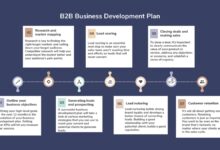
1. Understanding the Core of a B2B Marketing Strategy

A successful b2b marketing strategy isn’t just about selling products—it’s about building relationships, solving complex business problems, and aligning with the buyer’s journey. Unlike B2C, where emotions often drive decisions, B2B purchasing is logical, multi-stakeholder, and high-value. This means your strategy must be structured, measurable, and deeply rooted in business outcomes.
What Sets B2B Apart from B2C?
The fundamental difference lies in the decision-making process. In B2B, multiple stakeholders—such as procurement officers, technical evaluators, and C-suite executives—are involved. The sales cycle is longer, often spanning weeks or months, and the average deal size is significantly higher.
- B2B decisions are rational and ROI-focused.
- Purchase cycles involve multiple touchpoints and approvals.
- Relationships and trust are critical for long-term contracts.
According to McKinsey, 74% of B2B buyers conduct more than half of their research online before engaging with a sales representative. This highlights the importance of digital presence and content authority in shaping early perceptions.
Key Components of a Winning B2B Marketing Strategy
A robust b2b marketing strategy includes clear objectives, audience segmentation, value proposition development, channel selection, content planning, and performance measurement. Each component must be aligned with the overall business goals.
- Objectives: Define what success looks like—lead generation, brand awareness, or customer retention.
- Audience Personas: Develop detailed buyer personas based on job roles, pain points, and decision-making authority.
- Value Proposition: Clearly articulate how your solution solves a critical business challenge better than competitors.
“A b2b marketing strategy without clear buyer personas is like navigating without a map—directionless and inefficient.”
2. Building a Data-Driven B2B Marketing Strategy
In today’s digital landscape, intuition alone won’t cut it. A modern b2b marketing strategy must be powered by data. From customer behavior analytics to campaign performance metrics, data informs every decision—from content creation to channel optimization.
Leveraging CRM and Marketing Automation Tools
Tools like HubSpot, Salesforce, and Marketo are essential for tracking interactions, nurturing leads, and measuring ROI. These platforms allow marketers to segment audiences, personalize messaging, and automate workflows.
- CRM systems centralize customer data for better targeting.
- Marketing automation reduces manual effort and increases consistency.
- Lead scoring models help prioritize high-intent prospects.
For example, HubSpot reports that companies using marketing automation see a 451% increase in qualified leads. This proves that integrating technology into your b2b marketing strategy isn’t optional—it’s essential.
Using Analytics to Refine Your Approach
Google Analytics, LinkedIn Insights, and custom dashboards provide real-time feedback on campaign effectiveness. Marketers can track metrics like cost per lead (CPL), conversion rates, and customer acquisition cost (CAC).
- Monitor traffic sources to identify high-performing channels.
- Analyze bounce rates to improve landing page relevance.
- Use A/B testing to optimize email subject lines and CTAs.
Data doesn’t just measure success—it reveals opportunities. For instance, if webinar registrations are high but attendance is low, your follow-up sequence may need improvement. Adjusting your b2b marketing strategy based on such insights leads to continuous growth.
3. Mastering the B2B Buyer’s Journey
One of the most critical aspects of a b2b marketing strategy is aligning your content and messaging with the buyer’s journey. This journey typically consists of three stages: Awareness, Consideration, and Decision.
Awareness Stage: Educate, Don’t Sell
At this stage, prospects realize they have a problem but may not know the solution. Your role is to provide educational content that positions your brand as a trusted advisor.
- Create blog posts, infographics, and social media content addressing common industry challenges.
- Use SEO to capture organic search traffic from problem-based queries (e.g., “how to reduce SaaS churn”).
- Host webinars or podcasts featuring industry experts.
According to Content Marketing Institute, 91% of B2B marketers use content marketing to reach customers. The most effective content at this stage answers questions before the buyer even asks them.
Consideration Stage: Showcase Your Expertise
Now the prospect is evaluating different solutions. Your b2b marketing strategy should focus on demonstrating your product’s superiority through case studies, comparison guides, and product demos.
- Publish detailed whitepapers or e-books that dive into technical benefits.
- Offer free trials or consultations to reduce perceived risk.
- Use retargeting ads to stay top-of-mind across platforms.
“In the consideration phase, credibility is currency. The more proof you provide, the closer you are to closing the deal.”
Decision Stage: Seal the Deal with Social Proof
This is the final stretch. The buyer has narrowed down options and needs reassurance. Your b2b marketing strategy must deliver compelling reasons to choose you over competitors.
- Highlight customer testimonials and success stories.
- Provide ROI calculators or pricing breakdowns.
- Enable direct contact with sales reps via chat or scheduling tools.
A study by Gartner found that 89% of B2B buyers prefer to interact with sales reps only after they’ve done independent research. This means your digital assets must do the heavy lifting before human interaction begins.
4. Content Marketing as the Backbone of B2B Marketing Strategy
If your b2b marketing strategy were a house, content marketing would be the foundation. High-quality, relevant content builds trust, nurtures leads, and supports SEO efforts across the buyer’s journey.
Types of High-Impact B2B Content
Not all content is created equal. In B2B, depth and authority matter more than volume. Focus on formats that deliver real value to time-constrained professionals.
- Case Studies: Real-world examples of how your solution solved a business problem.
- Whitepapers: In-depth reports that explore industry trends or technical specifications.
- Webinars: Live or on-demand sessions that educate and engage prospects.
- Blog Posts: SEO-optimized articles that answer common questions.
Forrester Research shows that companies with strong content strategies generate 6x higher conversion rates than those without. This makes content not just a tactic, but a strategic lever in your b2b marketing strategy.
Content Distribution and Amplification
Creating great content isn’t enough—you need to get it in front of the right people. A smart distribution plan multiplies your reach and impact.
- Share content on LinkedIn, where 80% of B2B leads originate.
- Repurpose blog posts into infographics, videos, or podcast episodes.
- Collaborate with industry influencers or partner websites for co-marketing.
Using paid promotion on LinkedIn or Google Ads can accelerate visibility, especially for gated content like e-books. But remember: targeting accuracy is key. A well-targeted $500 ad campaign can outperform a $5,000 spray-and-pray approach.
5. Leveraging Account-Based Marketing (ABM) in Your B2B Marketing Strategy
Account-Based Marketing (ABM) is one of the most powerful evolutions in b2b marketing strategy. Instead of casting a wide net, ABM focuses on targeting high-value accounts with personalized campaigns.
What Is ABM and Why It Works
ABM treats individual accounts as markets of one. It aligns sales and marketing teams to engage key decision-makers with tailored messaging and content.
- Increases relevance by addressing specific pain points of each account.
- Improves sales and marketing alignment through shared goals.
- Delivers higher ROI—according to ABM Leadership Board, 87% of marketers report higher ROI from ABM than other marketing investments.
For example, a software company targeting Fortune 500 enterprises might create a custom demo video for each CIO, referencing their company’s recent digital transformation goals.
Steps to Implement ABM Successfully
Implementing ABM requires a structured approach:
- Identify Target Accounts: Use firmographic data (industry, size, revenue) and intent signals (website visits, content downloads).
- Develop Personalized Campaigns: Craft emails, ads, and landing pages specific to each account.
- Engage Across Channels: Combine email, direct mail, social media, and events for maximum impact.
- Measure and Optimize: Track engagement metrics and pipeline velocity for each account.
“ABM turns marketing from a volume game into a precision sport.”
6. Digital Channels That Fuel a Modern B2B Marketing Strategy
No b2b marketing strategy is complete without a strong digital presence. The right mix of channels ensures your message reaches decision-makers where they spend their time.
LinkedIn: The B2B Powerhouse
LinkedIn is the undisputed leader in B2B social media. With over 900 million users and 61 million decision-makers, it’s the go-to platform for professional networking and lead generation.
- Optimize your company page with clear messaging and CTAs.
- Use LinkedIn Ads to target by job title, industry, and company size.
- Encourage employees to share content—employee advocacy increases reach by 561% (LinkedIn).
A well-executed LinkedIn campaign can generate high-quality leads at a lower cost than traditional methods. For instance, a case study by LinkedIn Marketing Solutions showed a 3x increase in lead volume for a SaaS company using Sponsored Content and InMail.
Email Marketing: Still the ROI King
Email remains one of the highest ROI channels in a b2b marketing strategy. When done right, it nurtures leads, drives engagement, and supports sales outreach.
- Segment your list based on behavior, industry, or stage in the funnel.
- Use automation to send drip campaigns for onboarding or re-engagement.
- Personalize subject lines and content to boost open and click rates.
According to Campaign Monitor, email delivers an average ROI of $42 for every $1 spent. That’s unmatched by any other digital channel.
Search Engine Optimization (SEO) for B2B
SEO is the long game in any b2b marketing strategy. It ensures your content ranks for high-intent keywords that prospects use when researching solutions.
- Conduct keyword research using tools like Ahrefs or SEMrush.
- Optimize on-page elements: titles, meta descriptions, headers, and internal links.
- Build backlinks from authoritative industry websites.
For example, a company offering cloud security solutions should target keywords like “enterprise cloud security best practices” or “how to comply with GDPR for SaaS companies.” These queries indicate high purchase intent and can drive qualified traffic over time.
7. Measuring Success: KPIs and Metrics in B2B Marketing Strategy
What gets measured gets managed. A successful b2b marketing strategy relies on tracking the right key performance indicators (KPIs) to assess effectiveness and guide future decisions.
Essential B2B Marketing KPIs
Not all metrics are created equal. Focus on those that directly impact revenue and growth.
- Lead Conversion Rate: Percentage of leads that become customers.
- Customer Acquisition Cost (CAC): Total marketing and sales cost to acquire a new customer.
- Customer Lifetime Value (CLTV): Total revenue expected from a customer over their lifetime.
- Marketing Qualified Leads (MQLs): Leads deemed ready for sales follow-up.
- Return on Ad Spend (ROAS): Revenue generated per dollar spent on advertising.
According to CMO.com, top-performing B2B companies track at least 5 core KPIs and review them monthly to adjust strategy.
Using Dashboards for Real-Time Insights
Modern marketing teams use dashboards in tools like Google Data Studio, HubSpot, or Tableau to visualize performance across channels.
- Combine data from CRM, email, ads, and web analytics.
- Set up alerts for sudden drops in traffic or conversion rates.
- Share dashboards with sales and leadership for alignment.
“Data is the compass of your b2b marketing strategy—without it, you’re flying blind.”
What is the most important element of a b2b marketing strategy?
The most important element is understanding your buyer. Without deep insight into their pain points, goals, and decision-making process, even the most creative campaigns will fall flat. Buyer personas and journey mapping are foundational.
How long does a typical B2B sales cycle last?
It varies by industry and product complexity, but the average B2B sales cycle lasts between 1 to 6 months. High-value solutions like enterprise software can take over a year. Your b2b marketing strategy must be designed to nurture leads throughout this extended timeline.
Is social media effective for B2B marketing?
Yes, especially LinkedIn. Social media builds brand authority, supports thought leadership, and drives traffic to your website. When combined with targeted advertising and content sharing, it becomes a powerful component of a b2b marketing strategy.
How do I align sales and marketing teams in a B2B strategy?
Start with shared goals, regular communication, and a Service Level Agreement (SLA) between teams. Use CRM data to define lead handoff processes and conduct joint reviews of campaign performance. Tools like Slack or Microsoft Teams can facilitate real-time collaboration.
Can small B2B companies compete with larger ones in marketing?
Absolutely. Smaller companies can be more agile, personalized, and niche-focused. By leveraging content marketing, SEO, and ABM, they can outmaneuver larger competitors who may be slower to adapt. A well-executed b2b marketing strategy levels the playing field.
A winning b2b marketing strategy is not a one-size-fits-all formula. It’s a dynamic, data-informed approach that evolves with your market, your customers, and your goals. From understanding the buyer’s journey to leveraging ABM and digital channels, every element must work in harmony. The most successful strategies are those that combine creativity with analytics, personalization with scalability, and short-term wins with long-term vision. Start by auditing your current efforts, identify gaps, and build a roadmap that aligns marketing with business outcomes. The future of B2B growth belongs to those who master the strategy, not just the tactics.
Further Reading:
