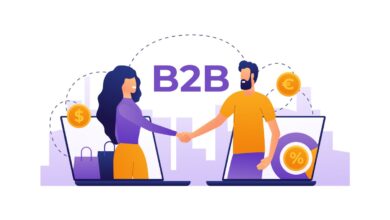
Ever wondered how companies buy and sell in bulk without stepping into a physical store? Welcome to the world of b2b marketplace—a digital powerhouse reshaping global trade. It’s fast, efficient, and smarter than ever.




What Is a B2B Marketplace?

A B2B marketplace, short for business-to-business marketplace, is an online platform where companies buy and sell goods and services from one another. Unlike B2C (business-to-consumer) platforms like Amazon or Shopee, which target individual shoppers, B2B marketplaces cater to organizations—ranging from small suppliers to multinational corporations—looking to source raw materials, equipment, software, or services at scale.
How B2B Marketplaces Differ from B2C Platforms
The core difference lies in transaction complexity and volume. While B2C platforms focus on quick, standardized purchases, B2B transactions often involve bulk orders, negotiated pricing, long-term contracts, and customized solutions. For example, a manufacturer might use a b2b marketplace to source 10,000 units of electronic components with specific technical requirements, something rarely seen in consumer shopping.
- B2B: High volume, long sales cycles, relationship-driven
- B2C: Low volume, instant purchases, emotion-driven
- B2B: Multiple decision-makers involved
“B2B marketplaces are not just digital catalogs—they’re ecosystems of trust, efficiency, and scalability.” — McKinsey & Company
Key Characteristics of B2B Marketplaces
B2B marketplaces are built for complexity. They support features like tiered pricing based on order volume, request-for-quotation (RFQ) systems, vendor ratings, and integration with enterprise resource planning (ERP) systems. These platforms often require user authentication, ensuring only verified businesses can access sensitive pricing or procurement tools.
- Custom pricing and volume discounts
- Procurement workflow automation
- Supplier vetting and compliance checks
For instance, platforms like Alibaba.com allow buyers to request quotes directly from suppliers, compare offers, and even negotiate terms—all within a single interface. This level of functionality is essential for businesses managing complex supply chains.
Why B2B Marketplaces Are Revolutionizing Global Trade
The rise of digital transformation has made b2b marketplace platforms indispensable. They eliminate geographical barriers, reduce transaction costs, and increase transparency in sourcing. According to a report by Statista, the global B2B e-commerce market is projected to reach $20.9 trillion by 2027, up from $12.2 trillion in 2021—proving that digital B2B commerce is not just a trend, but a fundamental shift.
Global Reach and Market Expansion
One of the most powerful advantages of a b2b marketplace is its ability to connect suppliers and buyers across continents. A small manufacturer in Vietnam can now sell industrial valves to a construction firm in Germany through platforms like Global Sources or Made-in-China.com. This global reach was once limited to large corporations with international sales teams, but now even SMEs can compete on a global stage.
- Access to international suppliers and buyers
- Reduced dependency on local distributors
- Opportunities for niche product specialization
This democratization of trade empowers smaller players to scale rapidly. For example, a Turkish textile exporter increased its annual revenue by 300% within two years of joining a major b2b marketplace, thanks to direct access to European fashion brands.
Cost and Time Efficiency
Traditional procurement processes are often slow and costly, involving multiple intermediaries, phone calls, emails, and paperwork. B2B marketplaces streamline this by centralizing product listings, enabling instant price comparisons, and automating order processing. This reduces the time-to-purchase from weeks to hours.
- Elimination of middlemen
- Automated invoicing and payment systems
- Real-time inventory tracking
A study by Deloitte found that companies using digital B2B platforms reduced their procurement costs by up to 15% and cut processing times by 50%. These efficiencies translate into faster decision-making and improved cash flow.
Top B2B Marketplaces You Should Know
With thousands of platforms operating globally, choosing the right b2b marketplace can be overwhelming. Below are some of the most influential players shaping the industry today.
Alibaba.com: The Global Giant
No discussion about b2b marketplace platforms is complete without mentioning Alibaba.com. Founded in 1999, it connects millions of suppliers—mostly from China—with buyers worldwide. It’s particularly strong in electronics, machinery, and raw materials.
- Over 200,000 active suppliers
- Trade Assurance program for buyer protection
- RFQ system for customized sourcing
Alibaba’s success lies in its robust infrastructure, multilingual support, and secure payment options like Escrow. It’s a go-to platform for importers looking for cost-effective manufacturing partners.
ThomasNet: The North American Industrial Hub
ThomasNet is a leading b2b marketplace in the United States, specializing in industrial products and services. It’s widely used by engineers, procurement officers, and manufacturers to find precision components, fabrication services, and OEM parts.
- Comprehensive supplier database with technical filters
- Integration with CAD models for product visualization
- Free sourcing assistance for complex projects
What sets ThomasNet apart is its focus on engineering-grade specifications. Buyers can search by material type, tolerance levels, and certifications—critical for industries like aerospace and medical devices.
Amazon Business: The Corporate Retailer
Yes, Amazon isn’t just for consumers. Amazon Business is a rapidly growing b2b marketplace that offers everything from office supplies to industrial equipment. It leverages Amazon’s existing logistics network, offering fast delivery and bulk pricing.
- Business-only pricing and volume discounts
- Seamless integration with corporate procurement systems
- Tax-exempt purchasing for registered organizations
With over 5 million businesses using Amazon Business globally, it’s becoming a preferred choice for companies seeking convenience and reliability in routine procurement.
Benefits of Using a B2B Marketplace for Your Business
Whether you’re a supplier or a buyer, participating in a b2b marketplace offers tangible benefits that can drive growth, reduce costs, and improve operational agility.
For Suppliers: Expanded Market Access and Lead Generation
For manufacturers and wholesalers, a b2b marketplace acts as a 24/7 digital storefront with global visibility. Instead of relying solely on sales reps or trade shows, suppliers can showcase their products to thousands of potential buyers actively searching for solutions.
- Increased brand exposure without heavy marketing spend
- Automated lead capture and inquiry management
- Data-driven insights into customer behavior and demand trends
A case in point: A German automation equipment supplier reported a 40% increase in qualified leads within six months of listing on a niche industrial b2b marketplace. The platform’s search algorithm matched their products with engineers searching for PLC controllers, resulting in higher conversion rates.
For Buyers: Streamlined Procurement and Better Pricing
Procurement teams benefit from the transparency and competition inherent in b2b marketplace platforms. With multiple suppliers offering similar products, buyers can compare specs, prices, delivery times, and reviews—all in one place.
- Reduced supplier onboarding time
- Access to real-time pricing and inventory data
- Enhanced negotiation power due to market visibility
Moreover, many platforms offer AI-powered recommendation engines that suggest alternative products based on past purchases or industry trends, helping buyers discover cost-saving opportunities.
Operational Efficiency and Digital Transformation
Beyond transactions, b2b marketplaces contribute to broader digital transformation. They integrate with ERP, CRM, and accounting systems, enabling end-to-end automation of the procurement lifecycle—from requisition to payment.
- Reduced manual data entry and errors
- Faster approval workflows
- Improved spend visibility and compliance
For example, a pharmaceutical company integrated its SAP system with a specialized b2b marketplace for lab supplies, reducing procurement cycle time by 60% and cutting maverick spending by 25%.
Challenges and Risks in B2B Marketplaces
Despite their advantages, b2b marketplace platforms are not without challenges. Understanding these risks is crucial for businesses to make informed decisions and mitigate potential downsides.
Quality Control and Supplier Reliability
One of the biggest concerns for buyers is ensuring product quality and supplier credibility. Unlike traditional supplier relationships built over years, marketplace transactions can be anonymous or one-off, increasing the risk of receiving substandard goods.
- Counterfeit or misrepresented products
- Inconsistent quality across batches
- Lack of direct communication with suppliers
To combat this, leading platforms like Alibaba have introduced verification programs such as Gold Supplier status and third-party inspection services. Buyers are advised to request samples, check certifications, and read reviews before placing large orders.
Data Security and Intellectual Property Risks
Sharing sensitive business information—such as product designs, pricing strategies, or customer lists—on a public platform can expose companies to data breaches or IP theft. This is especially critical in industries like electronics or aerospace, where proprietary technology is a competitive advantage.
- Risk of design replication by unscrupulous suppliers
- Unauthorized access to procurement data
- Compliance with data protection regulations (e.g., GDPR)
Solutions include using secure, invite-only marketplaces, signing NDAs, and limiting the amount of sensitive information shared publicly.
Market Saturation and Price Wars
As more suppliers join popular b2b marketplaces, competition intensifies. This can lead to price erosion, where businesses are forced to lower margins just to stay visible. While this benefits buyers, it can squeeze smaller suppliers who lack economies of scale.
- Difficulty in differentiating products
- Pressure to offer deep discounts
- Algorithm bias favoring high-volume sellers
To stand out, suppliers must focus on value-added services, such as customization, fast turnaround, or superior customer support, rather than competing solely on price.
How to Choose the Right B2B Marketplace for Your Needs
Not all b2b marketplace platforms are created equal. Selecting the right one depends on your industry, business size, geographic focus, and strategic goals.
Assess Your Industry and Product Type
Some platforms specialize in specific sectors. For example, SupplyFrame focuses on electronics design, while Uline dominates packaging and industrial supplies. Choosing a niche marketplace increases the likelihood of finding relevant buyers or suppliers.
- Generalist platforms: Broad reach, less specialization
- Niche platforms: Targeted audience, higher engagement
- Regional platforms: Local compliance and logistics advantages
If you’re a chemical manufacturer, for instance, a platform like ChemNet may offer better connections than a general marketplace.
Evaluate Platform Features and Integration Capabilities
Look beyond the user interface. Does the platform support API integration with your existing systems? Can it handle complex pricing models or multi-currency transactions? These technical capabilities are essential for scaling operations.
- ERP and accounting software compatibility
- Multi-language and multi-currency support
- Advanced analytics and reporting tools
Platforms like Coupa and Jaggaer offer deep procurement automation features tailored for enterprise clients.
Check Reputation, Reviews, and Support
Before committing, research the platform’s track record. Read user reviews, check for complaints, and assess the quality of customer support. A responsive support team can make a big difference when resolving disputes or technical issues.
- Look for Trustpilot or G2 ratings
- Test their response time via live chat or email
- Verify dispute resolution policies
A reliable marketplace should offer mediation services, secure payment gateways, and clear terms of service.
The Future of B2B Marketplaces: Trends to Watch
The b2b marketplace landscape is evolving rapidly, driven by technology, changing buyer expectations, and global economic shifts. Staying ahead of these trends can give businesses a competitive edge.
AI and Personalization in Procurement
Artificial intelligence is transforming how buyers discover and purchase products. AI-powered recommendation engines analyze past behavior, industry trends, and real-time market data to suggest optimal suppliers and products.
- Predictive sourcing based on inventory levels
- Dynamic pricing models using machine learning
- Chatbots for instant supplier inquiries
For example, Amazon Business uses AI to recommend alternative products when a preferred item is out of stock, reducing downtime for industrial clients.
Rise of Vertical-Specific Marketplaces
While generalist platforms like Alibaba dominate, there’s a growing trend toward vertical-specific b2b marketplaces. These cater to specialized industries such as healthcare, construction, or food & beverage, offering tailored features and deeper domain expertise.
- Healthcare: Platforms like MedWOW for medical equipment
- Construction: BuildSupply for building materials
- Agriculture: AgriExchange for farm inputs
These niche platforms build stronger communities and trust, as participants share common challenges and standards.
Sustainability and Ethical Sourcing
As corporate social responsibility gains importance, buyers are demanding transparency in sourcing. Future b2b marketplace platforms will likely include sustainability metrics—such as carbon footprint, labor practices, and recyclability—into product listings.
- Supplier sustainability certifications
- Blockchain for supply chain traceability
- Green procurement dashboards
Companies like SAP Ariba are already integrating ESG (Environmental, Social, and Governance) criteria into their procurement tools, helping buyers make ethical choices.
What is a B2B marketplace?
A B2B marketplace is an online platform where businesses buy and sell products or services to each other. It streamlines procurement, expands market reach, and enhances efficiency through digital tools and automation.
How does a B2B marketplace differ from B2C?
B2B marketplaces involve larger transaction volumes, longer sales cycles, and multiple decision-makers, while B2C platforms focus on individual consumers with faster, simpler purchases.
Are B2B marketplaces safe for transactions?
Reputable B2B marketplaces offer secure payment systems, supplier verification, and buyer protection programs. However, due diligence—such as checking reviews and requesting samples—is still recommended.
Can small businesses benefit from B2B marketplaces?
Absolutely. Small businesses can access global markets, reduce marketing costs, and compete with larger players by leveraging the visibility and tools provided by b2b marketplace platforms.
What industries benefit most from B2B marketplaces?
Manufacturing, industrial supplies, electronics, healthcare, and raw materials sectors benefit significantly, though nearly every industry with business procurement needs can find value in these platforms.
B2B marketplaces are no longer just digital catalogs—they’re dynamic ecosystems driving the future of global commerce. From expanding market access to enabling AI-driven procurement, these platforms offer unprecedented opportunities for growth and efficiency. While challenges like quality control and data security remain, the benefits far outweigh the risks for businesses willing to adapt. As technology evolves and sustainability becomes a priority, the next generation of b2b marketplaces will be smarter, more specialized, and more impactful than ever. The key to success lies in choosing the right platform, leveraging its tools, and staying ahead of emerging trends.
Further Reading: