Ever wondered why some companies grow faster than others? The secret often lies in mastering B2B—where businesses sell to other businesses. It’s not just about products or services; it’s about relationships, strategy, and long-term value. Let’s dive into what makes B2B so powerful today.




What Exactly Is B2B and Why It Matters

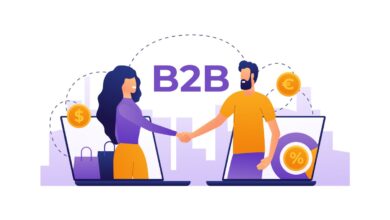
The term B2B, or business-to-business, refers to transactions between two companies rather than between a company and individual consumers (which is B2C). This model powers global supply chains, tech integrations, and enterprise solutions that keep modern economies running.
The Core Definition of B2B
B2B occurs when one business provides goods or services to another business. For example, a software company selling CRM tools to an enterprise, or a manufacturer supplying raw materials to a production firm. These relationships are typically more complex and involve longer sales cycles than B2C.
- B2B focuses on solving business problems, not just fulfilling consumer desires.
- Decisions are made based on ROI, efficiency, and scalability.
- Multiple stakeholders are often involved in purchasing decisions.
How B2B Differs from B2C
While both models aim to generate revenue, their approaches differ significantly. B2C targets emotions and instant gratification, whereas B2B appeals to logic, data, and long-term planning.
- B2C purchases are usually quick and impulsive; B2B decisions take weeks or months.
- B2B buyers expect detailed proposals, contracts, and service level agreements (SLAs).
- Customer lifetime value (CLV) is typically much higher in B2B.
“B2B isn’t just about selling—it’s about building partnerships that drive mutual growth.” — Forbes Insights
The Evolution of B2B Over the Decades
B2B has undergone a dramatic transformation, especially in the last 30 years. From traditional trade shows and phone calls to AI-driven platforms and digital marketplaces, the way businesses interact has changed fundamentally.
From Fax Machines to Digital Platforms
In the 1980s and 1990s, B2B transactions were largely conducted via fax, mail, and face-to-face meetings. The advent of the internet in the late ’90s introduced email and basic websites, enabling faster communication.
- eBay Business started in 1998, showing early potential for online B2B commerce.
- Alibaba, founded in 1999, became a global leader in connecting manufacturers with buyers.
- ERP systems like SAP began integrating procurement and supply chain workflows.
The Rise of E-Commerce and Marketplaces
Today, B2B e-commerce is booming. According to Forrester Research, B2B e-commerce sales in the U.S. are projected to reach $2.1 trillion by 2025, accounting for 17% of all B2B transactions.
- Platforms like Amazon Business, ThomasNet, and Global Sources have streamlined procurement.
- Buyers now expect Amazon-like experiences: fast search, reviews, and one-click ordering.
- Mobile access and real-time inventory tracking are now standard expectations.
Key Industries Dominated by B2B Models
B2B isn’t limited to one sector—it spans across industries where businesses rely on other businesses to operate efficiently. Some of the most prominent sectors include technology, manufacturing, healthcare, and logistics.
Technology and SaaS Providers
The tech industry is one of the largest B2B spaces, especially with the rise of Software as a Service (SaaS). Companies like Salesforce, Zoom, and Slack operate entirely on B2B models, offering tools that enhance productivity and collaboration.
- SaaS platforms use subscription-based pricing, ensuring recurring revenue.
- Integration capabilities (APIs) are critical for enterprise adoption.
- Security, compliance, and uptime are top concerns for B2B tech buyers.
Manufacturing and Supply Chain
Manufacturers depend on B2B relationships for raw materials, machinery, and distribution. A car manufacturer, for instance, sources steel, electronics, and tires from various suppliers—all B2B transactions.
- Just-in-time (JIT) inventory systems require reliable B2B partnerships.
- Global supply chains increase complexity but also create opportunities for optimization.
- Digital twins and IoT are being used to monitor equipment and predict maintenance needs.
B2B Marketing: Strategies That Actually Work
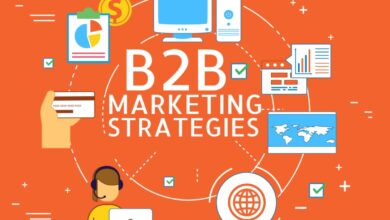
Marketing in the B2B world is less about flashy ads and more about trust-building, thought leadership, and demonstrating measurable value. The best B2B marketing strategies focus on educating buyers and guiding them through a complex decision-making process.
Content Marketing and Thought Leadership
One of the most effective B2B marketing tools is high-quality content. Whitepapers, case studies, webinars, and industry reports help establish authority and nurture leads.
- HubSpot generates over 6 million monthly visitors through its blog and resources.
- Content should address pain points, offer solutions, and include data-driven insights.
- SEO-optimized content helps attract organic traffic from decision-makers searching for solutions.
Account-Based Marketing (ABM)
ABM is a strategic approach where marketing and sales teams collaborate to target high-value accounts with personalized campaigns. Instead of casting a wide net, ABM focuses on a few key prospects.
- Personalized emails, direct mail, and custom landing pages increase engagement.
- Tools like Terminus and Demandbase enable precise targeting and tracking.
- ABM can increase conversion rates by up to 50% compared to traditional methods.
“ABM turns marketing from a spray-and-pray tactic into a sniper rifle approach.” — Gartner
The B2B Sales Process: From Lead to Close
The B2B sales cycle is often long and complex, involving multiple touchpoints, stakeholders, and decision layers. Understanding this process is crucial for closing deals effectively.
Stages of the B2B Sales Funnel
The typical B2B sales funnel includes awareness, consideration, decision, and retention stages. Each requires a different strategy and set of tools.
- Awareness: Prospects discover your brand through content, ads, or referrals.
- Consideration: They compare your solution with competitors using demos, trials, and consultations.
- Decision: Stakeholders evaluate ROI, pricing, and implementation timelines before signing.
- Retention: Post-sale support, onboarding, and upselling ensure long-term loyalty.
The Role of CRM in B2B Sales
Customer Relationship Management (CRM) systems like Salesforce, HubSpot, and Zoho are essential for managing B2B sales pipelines. They help track interactions, automate follow-ups, and provide insights into customer behavior.
- CRMs centralize communication across teams, reducing misalignment.
- Automation features save time on repetitive tasks like email sequences.
- Analytics dashboards help forecast revenue and identify bottlenecks.
B2B E-Commerce: The Future of Business Transactions
B2B e-commerce is no longer optional—it’s expected. Buyers want seamless digital experiences, self-service portals, and instant access to pricing and inventory.
Why B2B Buyers Demand Digital Experiences
Today’s B2B buyers are digital natives. They research products online, read reviews, and expect the same ease of use they get from B2C platforms.
- 73% of B2B buyers prefer to buy through digital channels, according to McKinsey.
- Self-service portals reduce dependency on sales reps for simple orders.
- Transparent pricing and real-time stock updates build trust.
Building a Successful B2B E-Commerce Platform
Creating a B2B e-commerce site requires more than just a shopping cart. It needs features tailored to business needs like bulk ordering, custom pricing, and integration with ERP systems.
- Platforms like Shopify Plus, Magento (Adobe Commerce), and BigCommerce support B2B functionality.
- Role-based access control allows different users (e.g., procurement managers) to have specific permissions.
- API-first architecture ensures smooth integration with accounting, logistics, and CRM tools.
Challenges in the B2B Landscape and How to Overcome Them
Despite its advantages, B2B comes with unique challenges—from long sales cycles to complex decision-making hierarchies. Success depends on how well companies adapt to these obstacles.
Long Sales Cycles and Decision Fatigue
B2B sales can take anywhere from 30 days to over a year. During this time, prospects may lose interest or change priorities.
- Solution: Implement lead nurturing campaigns with regular, valuable content.
- Use marketing automation to stay top-of-mind without being pushy.
- Provide ROI calculators and case studies to reinforce value.
Complex Buying Committees
Unlike B2C, where one person decides, B2B purchases often involve a committee—finance, IT, operations, and executives—all with different concerns.
- Solution: Map out each stakeholder’s pain points and tailor messaging accordingly.
- Create buyer personas for each role (e.g., CFO vs. CTO).
- Use collaborative tools like shared dashboards to keep everyone aligned.
Emerging Trends Shaping the Future of B2B
The B2B world is evolving rapidly, driven by technology, changing buyer behavior, and global economic shifts. Staying ahead means embracing innovation before it becomes mainstream.
AI and Automation in B2B Operations
Artificial Intelligence is transforming how B2B companies operate—from chatbots handling customer inquiries to predictive analytics forecasting demand.
- AI-powered sales assistants can qualify leads and schedule meetings.
- Machine learning models optimize pricing strategies based on market data.
- Chatbots on B2B websites reduce response time and improve lead capture.
Sustainability and Ethical Sourcing in B2B
More businesses are prioritizing sustainability. Buyers now consider a supplier’s environmental impact, labor practices, and carbon footprint before making decisions.
- Companies like Patagonia and Unilever lead in ethical B2B partnerships.
- Sustainability reports and certifications (e.g., B Corp) add credibility.
- Green logistics and circular economy models are gaining traction.
“Sustainability is no longer a nice-to-have—it’s a competitive advantage in B2B.” — Harvard Business Review
What is B2B?
B2B, or business-to-business, refers to transactions where one company sells products or services to another company, rather than to individual consumers. It’s common in industries like manufacturing, technology, and wholesale distribution.
How does B2B marketing differ from B2C?
B2B marketing focuses on logic, ROI, and long-term value, targeting decision-makers within organizations. B2C marketing appeals to emotions and personal needs, aiming for quick conversions from individual buyers.
What are the biggest challenges in B2B sales?
Common challenges include long sales cycles, complex buying committees, and the need for personalized, data-driven communication. Overcoming these requires strong relationship management and strategic marketing.
Is B2B e-commerce growing?
Yes, B2B e-commerce is growing rapidly. According to Forrester, U.S. B2B e-commerce sales are expected to exceed $2 trillion by 2025, driven by demand for digital purchasing experiences.
What role does AI play in B2B?
AI enhances B2B operations through automation, predictive analytics, and personalized customer experiences. It helps streamline sales, improve customer service, and optimize supply chains.
Mastering B2B is no longer optional—it’s essential for sustainable business growth. From understanding the fundamentals to leveraging cutting-edge technologies like AI and e-commerce, companies that adapt will thrive. The future of B2B lies in building trust, delivering value, and creating seamless digital experiences. Whether you’re a startup or an enterprise, focusing on strategic partnerships, data-driven marketing, and customer-centric innovation will set you apart in this competitive landscape.
Further Reading: