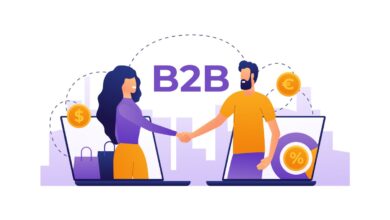
Ever wondered what ‘b2b meaning’ really stands for in today’s fast-paced business world? It’s more than just an acronym—it’s the backbone of global commerce, driving innovation, partnerships, and growth across industries.




Understanding the Core B2B Meaning

The term B2B meaning refers to ‘Business-to-Business’—a model where companies sell products or services to other businesses rather than individual consumers. This model powers supply chains, tech integrations, and enterprise solutions worldwide.
What Does B2B Stand For?
B2B stands for Business-to-Business, a transactional relationship between two companies. Unlike B2C (Business-to-Consumer), B2B focuses on solving business problems, improving efficiency, or supporting operations.
- Transactions occur between manufacturers, wholesalers, and retailers.
- Sales cycles are typically longer and involve multiple decision-makers.
- Pricing is often negotiated based on volume and contract terms.
For example, a software company selling CRM tools to another enterprise is engaging in a B2B relationship. This model dominates industries like manufacturing, IT services, and logistics.
Historical Evolution of B2B
The concept of B2B isn’t new. Long before the internet, businesses traded raw materials, machinery, and services through catalogs, trade shows, and direct sales.
- In the 19th century, industrialization fueled B2B trade in steel, textiles, and railroads.
- The 20th century saw the rise of wholesale distributors and supply chain networks.
- The digital revolution in the 1990s transformed B2B with e-commerce platforms like Alibaba and ThomasNet.
“B2B has evolved from paper-based transactions to AI-driven marketplaces, reshaping how companies buy and sell.” — Harvard Business Review
Today, digital platforms have made B2B interactions faster, more transparent, and scalable across borders.
B2B Meaning in Modern Commerce
The b2b meaning has expanded beyond simple transactions. It now encompasses digital ecosystems, SaaS platforms, and data-driven decision-making.
Key Characteristics of B2B Transactions
B2B commerce is defined by several unique traits that differentiate it from B2C:
- Complex Decision-Making: Purchases often require approval from procurement teams, finance departments, and executives.
- Longer Sales Cycles: From initial contact to closing a deal can take weeks or months.
- Higher Order Values: Contracts are typically larger, involving bulk orders or long-term service agreements.
- Relationship-Driven: Trust and reliability are crucial for sustained partnerships.
These characteristics shape how B2B companies market, sell, and service their offerings.
B2B vs. B2C: Key Differences
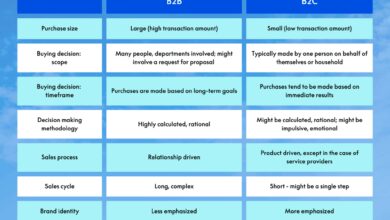
While both models involve selling, the b2b meaning diverges significantly from B2C in strategy and execution.
- Audience: B2B targets professionals; B2C targets individual consumers.
- Marketing Tone: B2B uses data, ROI, and case studies; B2C relies on emotion and lifestyle appeal.
- Purchasing Motivation: B2B buyers seek efficiency and cost savings; B2C buyers are driven by desire and convenience.
- Channels: B2B uses LinkedIn, industry events, and whitepapers; B2C thrives on Instagram, TikTok, and email blasts.
Understanding these differences is essential for crafting effective business strategies. For deeper insights, visit Investopedia’s guide on B2B.
Types of B2B Business Models
The b2b meaning manifests in various forms, each tailored to specific industry needs and value chains.
Manufacturer to Business
This is one of the most traditional B2B models, where manufacturers produce goods sold to other businesses.
- Example: A steel manufacturer supplying materials to an automotive company.
- Focus: Quality control, bulk pricing, and just-in-time delivery.
- Challenges: Supply chain disruptions and raw material costs.
This model is critical in industries like construction, automotive, and electronics.
Wholesaler to Retailer
Wholesalers buy in bulk from manufacturers and resell to retailers at a markup.
- Example: A beverage wholesaler distributing soda to grocery stores.
- Advantage: Reduces logistics burden for manufacturers.
- Risk: Inventory overstock and shelf-life management.
Platforms like Faire and Tundra are modernizing this model with digital catalogs and automated ordering.
Service-Based B2B
Many B2B companies offer services rather than physical products.
- Examples: IT consulting, payroll processing, legal advisory, and digital marketing agencies.
- Value Proposition: Expertise, time savings, and compliance assurance.
- Pricing Models: Hourly rates, retainer fees, or project-based contracts.
According to Statista, the global B2B service market is projected to exceed $1.5 trillion by 2025.
The Role of Technology in B2B Meaning
Technology has redefined the b2b meaning, making transactions faster, smarter, and more personalized.
B2B E-Commerce Platforms
Digital marketplaces have revolutionized how businesses buy and sell.
- Alibaba connects manufacturers with global buyers.
- Amazon Business offers bulk pricing and business-only inventory.
- Shopify B2B enables brands to create wholesale portals.
These platforms reduce friction, improve price transparency, and expand market reach. A report by McKinsey shows that B2B e-commerce sales could reach $20.9 trillion by 2027.
Automation and AI in B2B
Artificial Intelligence is transforming B2B operations from sales to customer support.
- Chatbots handle initial inquiries and qualify leads.
- Predictive analytics forecast demand and optimize pricing.
- CRM systems like Salesforce use AI to recommend next steps.
AI-driven personalization allows B2B companies to deliver tailored content and offers, increasing conversion rates.
Cloud-Based SaaS Solutions
Software-as-a-Service (SaaS) is a dominant B2B model today.
- Examples: Zoom, Slack, HubSpot, and Asana.
- Benefits: Scalability, remote access, and subscription-based revenue.
- Challenges: Data security and integration with legacy systems.
SaaS companies often use freemium models to attract users and upsell premium features—a strategy that aligns perfectly with long B2B sales cycles.
B2B Marketing Strategies That Work
Understanding the b2b meaning isn’t enough—you need effective marketing to grow.
Content Marketing for B2B
High-quality content builds trust and authority in B2B markets.
- Whitepapers and case studies demonstrate expertise.
- Webinars educate prospects and generate leads.
- Blogs improve SEO and drive organic traffic.
According to Content Marketing Institute, 91% of B2B marketers use content marketing to reach customers.
Account-Based Marketing (ABM)
ABM is a strategic approach where marketing and sales teams target high-value accounts with personalized campaigns.
- Identify key decision-makers within a company.
- Create custom content and outreach strategies.
- Measure success by account engagement and revenue.
ABM increases ROI by focusing resources on the most promising opportunities.
Social Selling and LinkedIn
LinkedIn is the #1 platform for B2B social selling.
- Sales reps build relationships through content sharing and engagement.
- Companies use LinkedIn Ads to target job titles and industries.
- Thought leadership posts establish credibility.
A study by LinkedIn found that 80% of B2B leads come from LinkedIn.
Challenges in the B2B Landscape
Despite its growth, the b2b meaning comes with significant challenges.
Long Sales Cycles and Decision Fatigue
B2B purchases often involve multiple stakeholders, leading to slow decision-making.
- Procurement, legal, and finance teams must approve deals.
- Buyers may delay decisions due to budget cycles or competing priorities.
- Solution: Provide clear ROI metrics and onboarding support.
Shortening the sales cycle requires exceptional communication and value demonstration.
Customer Retention and Churn
Acquiring a B2B customer is expensive—retention is key.
- Poor onboarding increases early churn.
- Lack of ongoing support reduces satisfaction.
- Competitors may offer better pricing or features.
Strategies like customer success teams, regular check-ins, and loyalty programs help reduce churn.
Data Privacy and Security Concerns
B2B companies handle sensitive data, making security a top priority.
- GDPR, CCPA, and other regulations require compliance.
- Breaches can damage reputation and lead to legal penalties.
- Solution: Invest in encryption, audits, and employee training.
Transparency about data practices builds trust with enterprise clients.
Future Trends Shaping B2B Meaning
The b2b meaning will continue to evolve with technology and market demands.
Rise of AI-Powered Procurement
AI is automating how companies source and purchase goods.
- Smart systems analyze supplier performance and pricing.
- Automated reorder systems prevent stockouts.
- Negotiation bots can optimize contract terms.
This trend will increase efficiency and reduce human error in procurement.
Sustainability in B2B Supply Chains
More businesses demand eco-friendly partners.
- Carbon footprint tracking is becoming standard.
- Recyclable packaging and ethical sourcing are priorities.
- Companies like Unilever and Patagonia lead by example.
Sustainability isn’t just ethical—it’s a competitive advantage.
Hybrid Buying Models
The line between digital and human interaction is blurring.
- Buyers research online but want human support for complex deals.
- Virtual demos and AI chatbots complement sales reps.
- Self-service portals coexist with dedicated account managers.
The future of B2B is a seamless blend of automation and personalization.
What is the basic b2b meaning?
The basic b2b meaning refers to Business-to-Business transactions, where one company provides products or services to another company, as opposed to selling directly to consumers (B2C).
How does B2B differ from B2C?
B2B involves longer sales cycles, multiple decision-makers, and a focus on ROI and efficiency, while B2C targets individual consumers with emotional appeals and shorter purchase journeys.
What are common examples of B2B companies?
Examples include Salesforce (SaaS), Intel (semiconductors), Grainger (industrial supplies), and McKinsey & Company (consulting services).
Why is B2B e-commerce growing so fast?
B2B e-commerce is growing due to digital transformation, demand for convenience, and the success of platforms like Amazon Business and Alibaba, which streamline procurement.
What skills are needed for a career in B2B?
Key skills include negotiation, relationship management, data analysis, technical knowledge, and strong communication—especially in sales, marketing, and supply chain roles.
Understanding the b2b meaning is essential for anyone involved in modern business. From its historical roots to cutting-edge digital platforms, B2B drives global commerce. It’s characterized by complex decision-making, long-term relationships, and high-value transactions. With the rise of AI, SaaS, and sustainable practices, the B2B landscape is evolving rapidly. Companies that embrace innovation, prioritize customer success, and adapt to new trends will thrive. Whether you’re a marketer, entrepreneur, or executive, mastering the nuances of B2B can unlock significant growth and competitive advantage.
b2b meaning – B2b meaning menjadi aspek penting yang dibahas di sini.
Further Reading: